



The Illusion of Control
One of the most prevalent myths surrounding casinos is the belief that players can control the outcome of games. Many enthusiasts cling to strategies that suggest skill or decision-making can influence the results of games based on chance, such as slots or roulette. However, in reality, these games are designed with built-in house edges, meaning that outcomes are primarily determined by random number generators or sheer luck rather than player skill. For those seeking information on the best betting sites , understanding this fundamental aspect is crucial for anyone looking to engage with casino games effectively.
Moreover, the perception that players can “feel” when a machine or table is about to pay out is another misconception. Casinos are meticulously studied environments where every element is optimized for creating an enticing atmosphere. This includes lighting, sounds, and even the arrangement of games. With such psychological manipulations at play, it is easy for players to misinterpret random fluctuations in outcomes as patterns that can be exploited. Ultimately, recognizing that games of chance are governed by probabilities rather than player decisions is vital for a realistic approach to gambling.
While there are games requiring some level of strategy, such as poker or blackjack, even the most skilled players face the reality that luck heavily influences outcomes. Overconfidence can lead to significant losses, as players often chase their losses or increase their stakes based on an illusion of control. Embracing the unpredictable nature of gambling can help maintain a healthier and more enjoyable experience at the casino. Acknowledging that every outcome is a game of chance rather than a calculated decision can significantly alter a player’s approach to the gaming floor.
The Lucky Streak Myth
Many players believe in the phenomenon of lucky streaks—periods when one seems to win continuously at a game. This idea often leads to the assumption that winning runs can somehow be forecasted or replicated. However, in reality, the idea of a ‘streak’ is closely tied to the random nature of gambling. Each round of play is independent of the previous one, meaning that past results do not influence future outcomes. Such misconceptions can mislead players into believing they are on the brink of another victory simply because they have recently won. This false sense of confidence can lead to reckless betting and poor decision-making.
In addition to the fallacy of lucky streaks, players often engage in behaviors such as ‘betting progression’—increasing their bet size after wins or losses in hopes of capitalizing on what they perceive as momentum. This approach can be dangerous, often leading to a substantial financial drain. Responsible gambling practices emphasize the importance of setting limits based on realistic expectations rather than reliance on fleeting winning patterns. By recognizing that luck is transient, players can mitigate the risks associated with overextending themselves during perceived winning times.
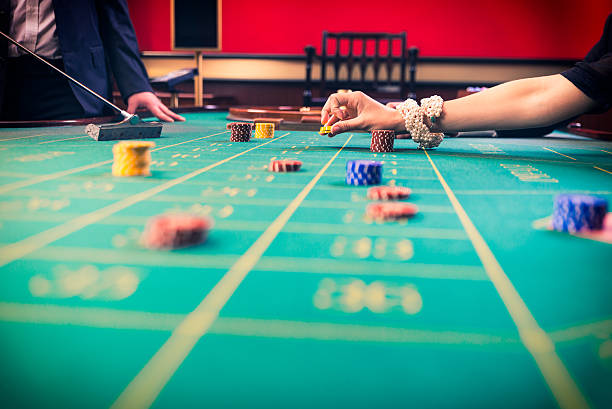
The phenomenon of the lucky streak is often glamorized in movies and popular culture, which further distorts player perceptions. By acknowledging that every round is a separate event, players can approach their gaming experience with clearer expectations and greater emotional restraint. Understanding the randomness inherent in casino games is essential to maintaining a grounded perspective on winning and losing. With this knowledge, players can enjoy the thrill of the game without succumbing to the pitfalls of expectation and superstition.

The Gambler’s Fallacy
The gambler’s fallacy is a common mental trap that leads players to believe that previous outcomes in a game will affect future results. For example, if a roulette wheel has landed on red several times in a row, a player may wrongly assume that black is ‘due’ to appear next. This fallacy is rooted in a fundamental misunderstanding of probability and independence, as each spin is unaffected by previous spins. Grasping the reality of independent events is vital for anyone participating in games of chance, as it can save them from making poor betting decisions.
Moreover, the gambler’s fallacy can result in significant financial losses. When players alter their betting strategies based on flawed reasoning about randomness, they often find themselves persistently chasing losses or making irrational decisions. This mindset can transform the gambling experience into a precarious pursuit rather than an enjoyable pastime. Recognizing the fallacy is the first step toward achieving a more informed and healthier gambling approach. Acknowledging that each event is separate can help players develop a more strategic mindset.
Educational resources and gambling-awareness campaigns aim to dispel misconceptions like the gambler’s fallacy. By promoting a better understanding of the mathematical principles underlying casino games, players can become more resilient against the temptations of misbelief. Knowing that past outcomes have no bearing on the present allows for a more strategic and thoughtful approach to gambling, ultimately leading to a more fulfilling experience. This awareness can empower players to make informed choices, reducing the potential for negative outcomes.
The House Edge Reality
One of the most critical aspects of casino games is the house edge, which refers to the mathematical advantage that the casino holds over players. Each game is designed to ensure that, over time, the casino will make a profit, regardless of individual wins or losses. This aspect is often overlooked by players who may focus solely on the allure of potential jackpots. Understanding the house edge is essential for anyone looking to play responsibly, as it informs players about their likelihood of winning in the long run. It serves as a reminder that the odds are inherently against them.

Casinos vary in their offerings, and not all games carry the same house edge. For example, games like blackjack may have a relatively low house edge when played with optimal strategy, while others, like certain slot machines, can have a significantly higher edge. Being aware of these disparities can significantly impact a player’s choice of games, leading to better odds and more entertaining sessions. It also reinforces the importance of conducting research before settling on a game to play, enabling players to select games that align with their risk tolerance and enjoyment levels.
Ultimately, accepting the existence of the house edge allows players to approach gambling with a realistic mindset. Expectations should align with the understanding that while occasional wins are possible, consistent wins are not sustainable. This acceptance can help players budget accordingly and minimize the emotional toll that often accompanies losses. With a clear understanding of the house edge, players can enjoy their gaming experience while remaining grounded in reality, fostering a more responsible and enjoyable gambling environment.
Exploring Responsible Gaming
In light of the myths surrounding winning in casinos, embracing responsible gaming practices has become increasingly important. Many players embark on gambling experiences with excitement but may quickly succumb to the pressure of chasing losses or overreaching their limits. Developing a proactive approach to responsible gaming involves setting strict budget limits and adhering to them regardless of the game’s outcome. This can lead to a healthier relationship with gambling, emphasizing enjoyment over profit. Setting these limits helps players avoid the common trap of emotional gambling.
Additionally, players should consider setting time limits for their gaming sessions. By allocating specific periods for play and allowing for breaks, individuals can maintain a balanced perspective and prevent gambling from becoming an overwhelming activity. Mindfulness and awareness of one’s emotional state while playing can also help counteract impulsive behaviors that often lead to financial strain. Establishing these boundaries fosters a safer gaming environment and cultivates a more enjoyable experience.
Lastly, numerous resources and support systems exist for individuals who may struggle with gambling addiction. Many casinos and online platforms provide access to responsible gaming tools, including self-exclusion options and information on problem gambling. By prioritizing responsible gaming, players can cultivate a more enjoyable and sustainable gambling experience, minimizing the risks associated with myths and misconceptions about winning. Understanding the importance of responsible gambling can empower players to make informed choices, ultimately enhancing their overall enjoyment of the gaming experience.